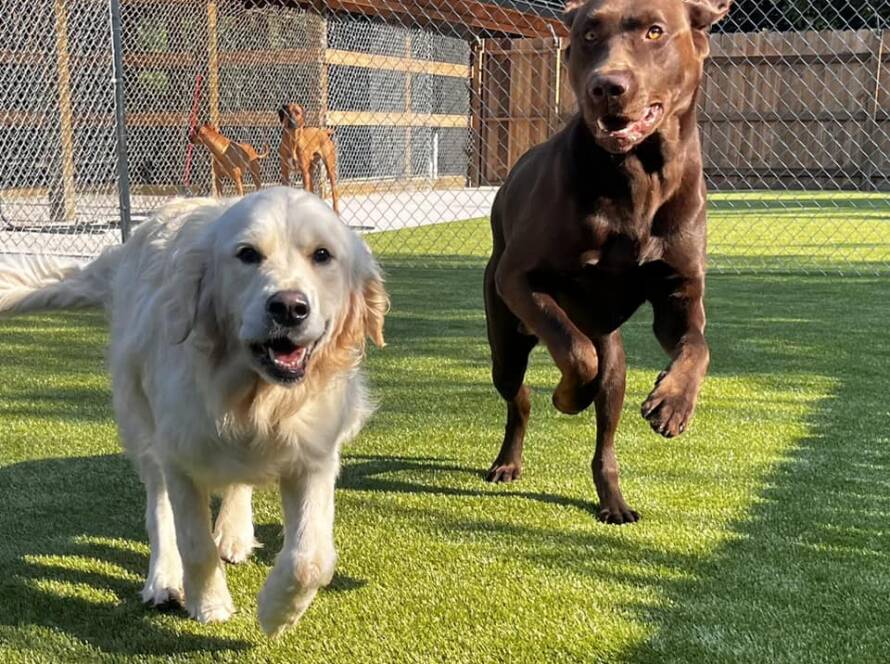
Get Your Yard Fall-Ready for Spring-Perfect Turf
Planning artificial grass installation in Michigan during the fall can set you up for an easy, green spring. The air is cooler, the soil is still workable, and your yard is usually seeing less summer traffic. That makes it a smart time to think ahead, instead of trying to do everything once the snow is gone.
In West Michigan, we know what winter brings: snow, ice, and freeze and thaw cycles that are tough on natural lawns. When you prep in fall, you give yourself time for a better layout, smarter drainage, and a smoother installation window when the weather and schedule line up. As a local turf team, we understand the soils, slopes, and water issues in our area, and we design synthetic turf systems that match those conditions. Below, we will walk through how to look at your yard, what to do before frost, how to plan timing, and how to protect your new turf all winter long.
Why Fall Is Prime Time to Plan Your Turf Project
Early- to mid-fall in West Michigan often brings milder temperatures and less intense rain than spring. The ground is usually softer than in summer heat, which helps with excavation and base work. When the soil is not rock hard or waterlogged, it is easier to shape a base that drains well and supports your turf over time.
There are also some planning perks that come with fall:
- Easier scheduling with installation crews
- More time to talk through design and product choices
- Less pressure than spring, when everyone wants work done at once
Fall is also when many homeowners already clean up the yard. You may be:
- Raking leaves and pulling dead annuals
- Trimming trees and shrubs
- Adjusting or blowing out irrigation lines
All of those tasks line up nicely with getting ready for artificial grass. You can combine work so your yard is disturbed once, not again and again. By planning in fall, artificial grass installation in Michigan feels less rushed and more thoughtful.
Assessing Your Yard Before the Ground Freezes
A good turf project starts with a clear look at what you have now. Before the ground freezes, walk your yard and note how it behaves.
Pay attention to:
- Slopes and low spots where water tends to sit
- Areas pets or kids use most often
- Bare patches where grass never seems to grow
These details help create a drainage plan and guide which turf products may fit best for pets, play, or simple curb appeal.
Next, think about what is under and around the yard. It is important to locate:
- Utility lines
- Irrigation pipes and heads
- Septic components or drainage fields
Old edging, rotted timbers, unused play structures, and random garden borders can all get in the way of installation too. Flagging or removing them now keeps the work smoother later.
Finally, consider access and shade. Install crews need a clear path for tools and materials. Existing patios, walkways, tree roots, and fences will shape how the turf layout comes together. Shady areas may call for different planning than full sun zones, especially if you are pairing turf with plants or mulch.
Pre-Installation Yard Prep You Can Tackle This Fall
There are several simple steps you can handle in fall to get your yard ready. These do not replace professional prep, but they help the process move faster.
Start with a basic cleanup:
- Rake and remove leaves and debris
- Pull up old landscape fabric where possible
- Trim back shrubs and low branches along edges
If there is dead or patchy turf in the project area, it can help to begin clearing it. Removing old borders or broken edging also makes future work easier.
Fall is a great time to watch how water behaves too. During a steady rain, note:
- Spots where water collects or flows quickly
- Runoff from roofs, driveways, or neighboring yards
- Any muddy strips along fences or down slopes
Taking simple notes or photos on a phone gives us useful information. We can plan a base system that manages snowmelt and spring storms instead of just guessing.
You can also start thinking through edges and transitions. Ask yourself:
- Where will turf meet patios, sidewalks, or driveways?
- Do you want stone, mulch, or metal edging at garden beds?
- Are there gates or fence lines that need clean, safe borders?
Deciding on those transition spots in advance prevents on-the-fly choices later and helps your finished space look planned, not patched together.
Timing Your Artificial Grass Installation in Michigan
When it comes to timing, fall gives you a few paths. Early- to mid-fall is often ideal for actual ground work. The soil is workable, the days are still long enough, and the weather is usually steady enough for base construction and turf installation.
Later in fall, or when temperatures drop too low for comfort, we can still:
- Walk the site and take measurements
- Talk through design ideas and layout
- Choose turf products based on how the space will be used
- Plan drainage solutions and edge details
Artificial grass installation in Michigan depends on safe, workable ground. Even when frozen soil stops digging, planning does not have to stop. By handling design, measurements, and product selection during colder weeks, you are at the front of the line once conditions allow for installation again.
A fall visit is a good time to set expectations on:
- Project scope and general timeline
- How long crews will be on site
- Access needs and any prep you want to do ahead of time
That way you are not stuck in a spring backlog or scrambling to fit the project into a busy warm-weather schedule.
Protecting Your Investment Through Winter
If your turf is installed before winter, a little attention before the first snow helps it settle in well. Basic fall care may include:
- Lightly brushing the turf fibers to stand them up
- Checking seams and edges for any spots that need adjustment
- Making sure infill is spread evenly
Once snow and ice arrive, turf does not need much day-to-day help. In many cases, snow cover acts as a light blanket. Still, it is smart to treat the surface with care.
General winter tips include:
- Use plastic shovels if you need to clear paths
- Avoid metal blades that can catch seams or edging
- Skip harsh chemical de-icers that may affect backing or nearby plants
When spring comes, the payoff is clear. A professionally installed synthetic turf yard is ready as soon as the snow melts. There is no waiting for grass to wake up, no muddy patches at gates, and no reseeding or sodding just to get a space you can use. The planning you did in fall turns into an instant green, low-maintenance yard when warm days return.
Get Started With Your Project Today
Transform your yard into a low-maintenance, green space with our expert artificial grass installation in Michigan. At ForeverLawn West Michigan, we take the time to understand your property, goals, and budget so we can recommend the right solution for your home or business. If you are ready to explore specific options, tell us about your project through our contact page so we can help you move forward with confidence.