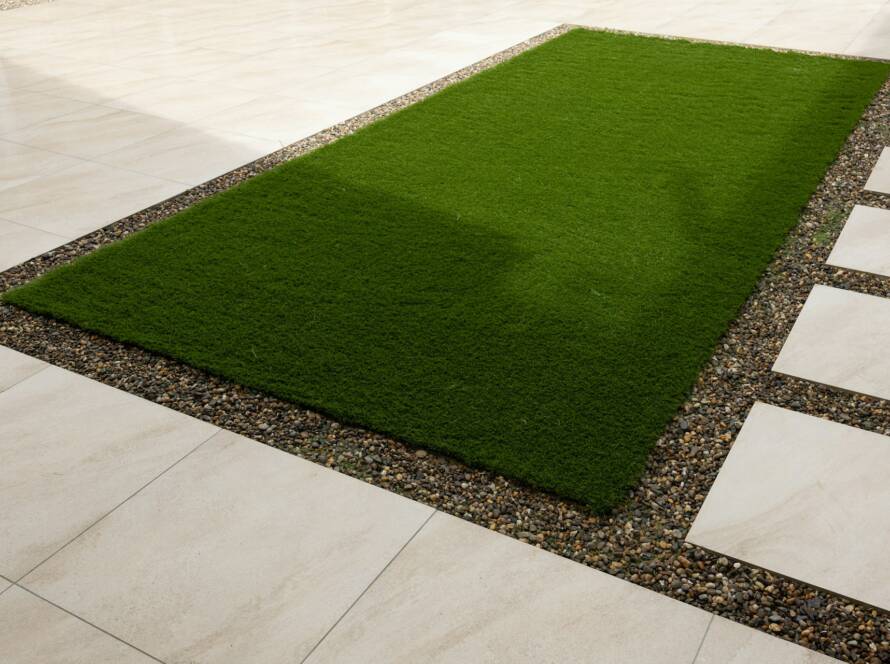
Build a Beautiful Michigan Lawn with Fewer Surprises
Artificial grass can help create a green, lower-maintenance outdoor surface, but the way it is installed has a major effect on how it looks, drains, and holds up over time. A DIY project may seem simple at first, while professional installation brings planning, equipment, and experience that can prevent avoidable problems.
October is a useful time to look closely at your property before winter arrives. We often encourage Michigan homeowners and property managers to notice worn natural grass, muddy pet areas, standing water, and uneven ground during fall weather. Those details can help you decide whether a turf upgrade makes sense before spring projects begin competing for attention.
As an artificial grass installer in Michigan, we see how project size, drainage, intended use, and site conditions can change the right approach. Understanding the full scope of a DIY project can help you make a more confident choice for your space.
Understand the Work Behind a DIY Turf Project
Artificial grass installation involves much more than unrolling a piece of turf and securing it to the ground. Before the finished surface is visible, the area must be measured, cleared, excavated, graded, and prepared with the right base materials. Turf sections must then be cut, seamed, secured, filled, and brushed for an even appearance.
A complete project may involve work such as:
- Removing sod, soil, roots, and other existing material
- Building and compacting a stable aggregate base
- Creating proper slopes for drainage
- Installing edging and joining turf sections with seams
- Adding infill and brushing turf fibers into place
Every stage affects the finished result. If the base is uneven, the turf can look bumpy. If seams are not handled carefully, they may be noticeable. Loose edges and incorrect infill can also affect how the surface feels underfoot.
Equipment and supplies can add another layer of work. Depending on the site, a project may require a sod cutter, plate compactor, wheelbarrow, rake, cutting tools, seam materials, fasteners, edging, aggregate, and infill. Before taking on a DIY project, we recommend considering the time involved, the physical labor required, and whether you are comfortable handling drainage and base preparation.
Michigan Weather Calls for a Strong Foundation
Michigan rain, snow, freezing temperatures, and seasonal freeze-thaw cycles make site preparation especially important. Water needs a clear path through and away from the turf system. Without thoughtful grading and drainage planning, water may collect on the surface, move toward buildings, or create wet areas around the edges.
Compaction also matters when the ground experiences changing conditions throughout the year. A properly prepared base helps support the turf during regular use and changing temperatures. This becomes even more important in high-traffic spaces, including pet runs, play areas, athletic surfaces, putting greens, and commercial properties.
During a site evaluation, we look beyond the visible grass or soil. Conditions that can affect an installation include:
- Existing drainage patterns and low spots
- Soil conditions and uneven grades
- Tree roots, fences, patios, and garden borders
- Utility locations and access for equipment
- How the area will be used each day
A simple backyard area may have needs that differ greatly from a dog run or a sports surface. Planning the system around the property helps avoid a one-size-fits-all result.
Compare the Full Scope of the Project
When weighing DIY against professional installation, it helps to compare the full project rather than focusing only on the turf itself. A DIY plan can involve material delivery, sod and soil removal, base preparation, edging, seam supplies, infill, equipment rentals, and disposal. Irregular shapes, tight access areas, slopes, and obstacles can make the work more demanding.
Professional installation creates a clearer path from site preparation through finishing details. Our team plans the surface, prepares the base, handles seams and edges, and completes the cleanup so you are not left managing separate parts of the project. That kind of coordination can be especially helpful when a property has drainage concerns or several features that need clean transitions.
Long-term use matters, too. A well-installed synthetic turf surface can reduce the regular upkeep tied to mowing, watering, fertilizing, mud cleanup, and repairing worn natural grass. For families, pet owners, and property managers, a cleaner and more usable outdoor area can be just as important as the initial installation process.
Professional Installation Supports Lasting Performance
The right turf product should match the way you plan to use the space. We help clients choose among ForeverLawn solutions based on the needs of the property. LandScapes can create polished residential and commercial lawn areas, while K9Grass is designed for pet spaces. Playground Grass, SportsGrass, and GolfGreens serve active play, athletic, and putting applications.
Finishing work makes a noticeable difference in the final appearance. Our installation process considers grain direction, infill distribution, edge security, seams, and transitions around patios, trees, fences, and garden beds. These details help the turf look clean and consistent instead of appearing pieced together.
Local experience also helps us spot concerns before the turf is in place. A slope that seems minor, a low area near a foundation, or a narrow access point can affect the project plan. By addressing those conditions early, we can prepare the surface for its intended use and Michigan’s changing weather.
Plan Your Turf Project Before Winter
DIY installation may be a reasonable fit for a small, simple area when you have the proper equipment, enough time, and experience with excavation, grading, and base work. Larger transformations and specialized spaces often benefit from professional planning, particularly when drainage, slopes, pets, play equipment, sports use, or frequent foot traffic are involved.
Before winter weather limits outdoor work, take stock of the areas that become muddy, worn, uneven, or difficult to maintain. A site plan can identify the best turf type, preparation needs, drainage considerations, and a practical installation timeline, helping you move into spring with fewer surprises.
Get Expert Guidance for a Lasting Landscape
ForeverLawn West Michigan can help you compare DIY considerations with the value of professional installation for your property. Work with an artificial grass installer in Michigan to select the right turf and create a landscape built for dependable performance. Contact us to discuss your goals and request a personalized recommendation.