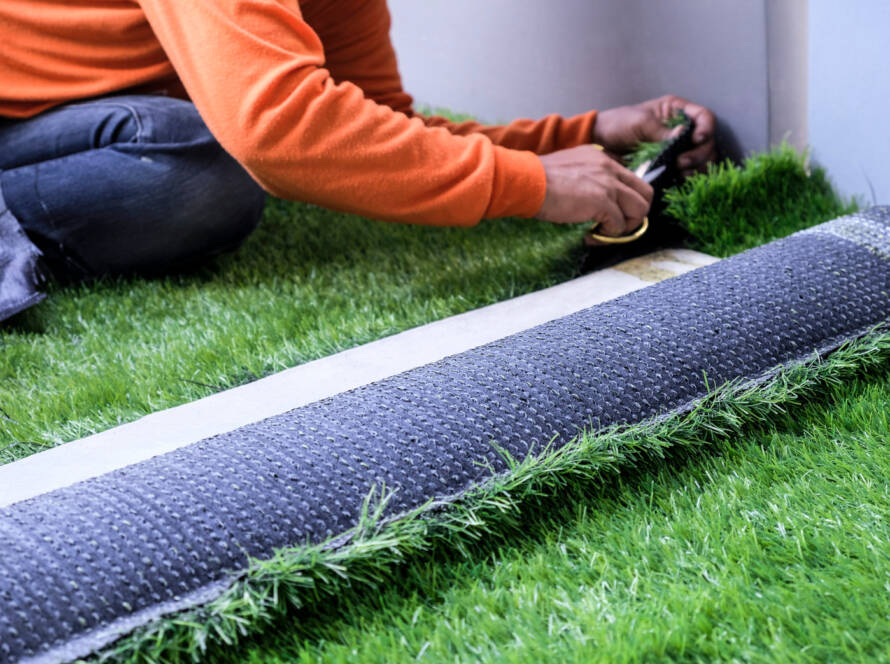
Michigan Homeowners Deserve the Truth About Turf
Artificial grass in Michigan gets a lot of attention right now, and not all of it is clear or helpful. You might see headlines about PFAS, lead, and microplastics and start to wonder if synthetic turf is safe for your family, your pets, or your yard. It can feel confusing when you are just trying to plan a low-maintenance lawn or a cleaner dog area.
A big part of the confusion comes from the fact that not all turf products are the same. Older sports fields, low-quality imports, and modern premium systems are very different things. Today’s better turf options are designed with safety testing, changing rules, and real-world use in mind.
We are based here in West Michigan, so we hear the same news you do. Our focus is to be open about what we install, how it is made, and what questions you should be asking any installer, not just us. When you plan in fall or winter for a spring or summer project, the right information now means a safer, smarter turf install later.
What Science Really Says About PFAS in Turf
PFAS are a large group of man-made chemicals used in many everyday products. They show up in things like food wrappers, waterproof clothes, and some nonstick pans. People are concerned because some PFAS can stay in the environment for a long time.
With artificial grass in Michigan, the concern is that PFAS might be in some parts of the system, like fibers, backing, or coatings. Older turf products were not designed with today’s PFAS awareness in mind. Newer, premium products are created under tighter expectations, and many are checked to keep up with changing rules.
Responsible manufacturers work with third-party labs to test for a range of chemicals, including certain PFAS where testing methods exist. As a homeowner, it is reasonable to ask for proof, not just verbal promises. Safety documents should back up what an installer tells you.
Here are a few PFAS-related questions to ask any turf installer or supplier:
- Which parts of your turf system are tested for PFAS (fiber, backing, infill, adhesives)?
- What testing standards or methods are used?
- How often is testing updated to match new rules or science?
- Can you share recent, third-party test summaries or safety data sheets?
When an installer is ready to answer these clearly and calmly, it is a good sign you are dealing with someone who takes health and safety seriously.
Lead, Heavy Metals, and Safer Turf Materials
Lead and other heavy metals became a concern in some older synthetic products. In the past, certain bright pigments and some backing materials could include small amounts of these substances. Large sports fields and some early playground surfaces raised questions about how kids were being exposed.
Today, better turf manufacturers have changed how they make their products. They avoid or strictly limit these materials and use different pigments and backing formulas. Many products are tested to meet rules that apply to children’s products or surfaces used in schools and parks.
You do not need to be a chemist to protect your family. A few simple steps go a long way:
- Ask for written confirmation that lead and other heavy metals are below accepted safety limits.
- Look for products tested to standards used for playgrounds or children’s products.
- Be careful about bargain turf with unclear or unknown sourcing.
- Ask what safety standards the turf is designed to meet in the U.S. and in Michigan.
At ForeverLawn West Michigan, we pay close attention to the materials and systems we install. Kids rolling in the grass, pets lounging on the surface, and families spending time outside are at the center of how we think about long-term safety, not an afterthought.
Microplastics, Infill Choices, and Your Backyard
Microplastics are tiny pieces of plastic that can come from many sources. They are not just from turf. They can come from plastic bags, landscaping fabric, worn-down household items, and even clothes that shed fibers in the wash.
A turf system has three main parts:
- Fiber: the green blades that look like grass
- Backing: the base that holds the fibers in place
- Infill: the material spread between the blades to support them
Different infill materials behave in different ways. Some systems still use rubber infill, often in large sports fields. Others use sand, coated sand blends, or organic-style infills. Infill choice affects how much material might move in heavy rain, how much dust you see, and how the surface feels underfoot.
If you are worried about microplastics and runoff, here are practical choices that can help:
- Choose higher-quality fibers that hold up better and shed less over time.
- Use smart edging so infill and fibers stay in the system and do not wash into beds or drains.
- Pair the turf with a drainage plan that fits your soil and slope.
- Ask about infills that are less likely to migrate into nearby soil or stormwater.
It can also help to compare a good turf system with a heavy-chemical natural lawn. Fertilizers, weed control, and pesticides on grass can wash into Michigan’s lakes and rivers. Reducing those products is one way some homeowners choose to protect local water.
Health, Allergies, and Everyday Use Around Turf
Beyond chemicals, people have everyday questions about turf. How hot does it get on sunny days? Does it hold bacteria? What about allergies? How often does it need to be cleaned?
Any surface in full sun can get warm, including concrete and natural grass. Turf can feel hotter than a natural lawn on bright days, but smart design helps. Lighter-colored turf, shade from trees or pergolas, and planned cool-down areas make a big difference. In West Michigan, many yards also enjoy natural cooling from nearby trees and the lake breeze.
For hygiene, turf does not grow mold or pollen like natural grass, but dust, pet waste, and debris can sit on top. Regular maintenance helps a lot:
- Rinse high-traffic or pet areas on a routine schedule.
- Remove solid pet waste promptly.
- Keep leaves and yard debris off the surface.
- Use pet-specific systems where drainage and cleaning are built into the design.
For some families, changing to synthetic turf can actually lower allergy triggers by removing grass pollen and many of the lawn chemicals used for weed control. Less mowing can also mean less dust and fewer fumes where kids and pets play.
We customize turf systems based on how the area will be used: cozy backyards, dedicated dog runs, playgrounds, and training zones all have different needs. The goal is always a space that feels comfortable, safe, and simple to care for.
Smart Questions to Ask Any Michigan Turf Installer
When you talk with turf companies about artificial grass in Michigan, it helps to bring a clear list of questions. This keeps the focus on safety, performance, and long-term value, not just how the yard will look on day one.
Consider asking:
- Where is this turf made, and how consistent is the sourcing?
- What third-party testing has been done for PFAS, lead, and other chemicals?
- What type of infill will you use, and why is it right for my yard and use?
- How is drainage designed for my soil, slope, and West Michigan weather?
- What maintenance do you recommend for our climate, including freeze-thaw cycles?
- Can I see safety data sheets, test summaries, and written warranties?
Use these questions when you compare quotes so you are matching more than just color and pile height. You want a partner who is open about health and safety and who understands how turf behaves through wet springs, hot summers, and cold winters here.
At ForeverLawn West Michigan, we are committed to clear answers, realistic expectations, and turf systems designed for real families, real pets, and real Michigan weather.
Get Started With Your Project Today
Transform your outdoor space with ForeverLawn West Michigan and enjoy a yard that looks great in every season. Explore our premium solutions for artificial grass in Michigan and see how we can customize a landscape that fits your property and lifestyle. If you are ready to talk details, easily contact us to request a consultation or estimate.