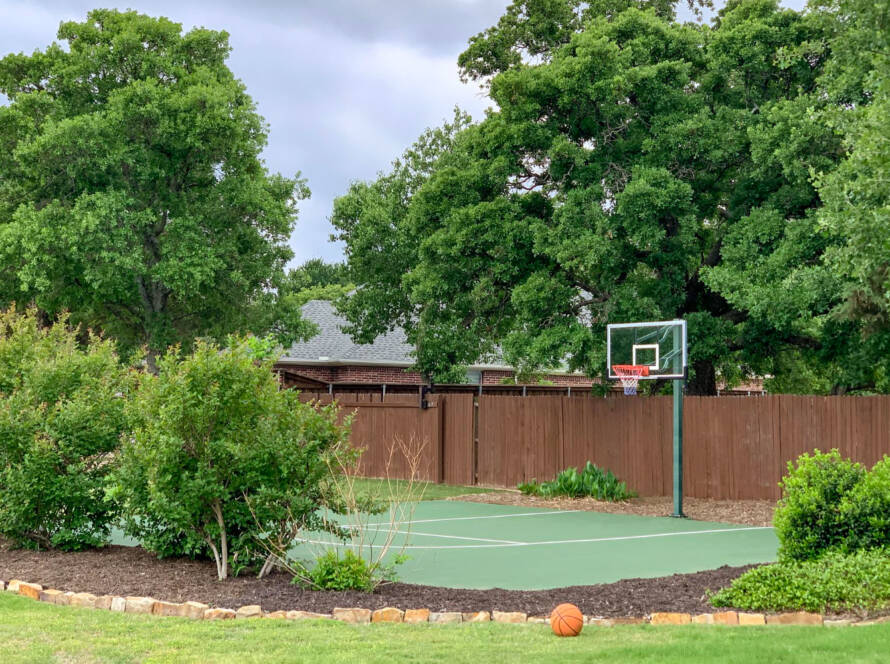
Safer playgrounds matter to every school. When the surface under and around the equipment works well, kids have fewer injuries, students with mobility devices can join the fun, and staff spends less time chasing mud, ruts, and standing water. That is a big reason many districts are looking closely at artificial turf playgrounds in Michigan.
Planning ahead is key. Schools often use one or two summer breaks to phase in upgrades, so decisions made during the school year shape what can get built when students are away. In this guide, we will walk through safety and accessibility rules, surface options, planning and budgeting, writing good bid specs, and long-term maintenance for synthetic turf playgrounds, with a focus on West Michigan conditions.
Safer, Compliant Playgrounds for Michigan Students
Synthetic turf is not just about looks. A well-designed system can:
– Help reduce fall injuries with consistent impact protection
– Support ADA access for wheelchairs and walkers
– Drain quickly so play areas open sooner after rain or snowmelt
– Cut daily raking and refilling that comes with loose materials
For facility directors and administrators, the busy school calendar makes timing important. Many districts follow a predictable rhythm: they review playground conditions in the fall, work on design and procurement during winter, and complete construction during summer break. Starting early gives you time to evaluate sites, align with your capital plan, and lock in realistic schedules with installers.
Understanding Playground Safety and Accessibility Rules
Playground rules can feel confusing, but a few key standards guide most design decisions.
ASTM standards often used for playgrounds include:
– ASTM F1292, addresses impact attenuation for surfaces under and around equipment
– ASTM F1951, looks at wheelchair accessibility for certain surfaces
– Standards related to head and neck entrapment, protrusions, and use zones around equipment
On the accessibility side, the ADA and the 2010 ADA Standards set expectations for:
– Accessible routes from the school to the play area
– Routes inside the play area, including to different play components
– Transfer systems and clear floor spaces
– Surfacing that stays firm, stable, and slip resistant
When surfacing does not meet these expectations, some students cannot reach or use key parts of the playground. That limits inclusive play and can increase liability for the district.
Older playgrounds in Michigan often show the same issues. Loose fill gets pushed away from high-traffic paths or under swings, and some areas end up too soft or too thin for the intended fall height. Poor drainage can also turn surfaces into mud or ice, and wheelchairs may bog down in ruts or deep surfacing. These problems are a big reason many schools are moving toward engineered surfacing systems, including high-quality synthetic turf with proper padding and base work.
Comparing Surfacing Options for Michigan School Playgrounds
Different surfacing types have different strengths. It helps to compare them through a few lenses: safety, accessibility, weather performance, and long-term value.
Common options include:
– Engineered wood fiber
– Poured-in-place rubber
– Recycled rubber tiles
– Premium synthetic turf systems
Engineered wood fiber can work well when freshly installed and maintained, but it:
– Needs frequent raking and top-offs
– Can wash out or freeze into hard chunks
– Is difficult for many mobility devices when loose or rutted
Poured-in-place rubber and tiles provide firm, stable surfaces, but they:
– Can develop cracks or separations with freeze-thaw cycles
– May hold heat in sunny spots
– Often need patching or replacement in heavy wear zones
Premium synthetic turf systems, when properly designed and installed, can offer:
– Consistent fall protection with an engineered pad
– Surfaces that test for ADA accessibility
– Strong drainage that handles snowmelt and spring rain
– A natural, grass-like look without mud or bare spots
In Michigan, freeze-thaw cycles, snow removal, and long wet springs all stress playground surfaces. Artificial turf playgrounds in Michigan can give a good balance of protection, accessibility, drainage, and appearance, especially for busy elementary and pre-K areas that see year-round use.
Planning and Budgeting a Turf Playground Project
Good outcomes start with a clear plan. A typical school timeline might look like:
– Fall, assess playground conditions, safety, and accessibility
– Late fall and winter, develop concepts, select surfacing approach, and write bid specs
– Early spring, bid and award the project
– Summer, install the new surface while students are off campus
Cost for synthetic turf playgrounds in Michigan depends on several factors:
– Site preparation, removal of old surfacing and correcting drainage issues
– Base construction, stone depths, geotextiles, and grading
– Turf type and backing, including special playground products
– Padding thickness and layout under equipment for required fall heights
– Edging, curbing, and transitions to sidewalks or lawns
– Access and logistics for equipment and materials
When looking at budgets, it helps to think about total cost of ownership instead of just the first install number. With quality turf systems, many schools see less daily labor for raking, leveling, and refilling surfacing, fewer loads of replacement material to purchase and spread, and more playable days after storms because the field drains faster. Over time, these savings can balance some of the upfront investment.
Writing Effective Bid Specs and Vendor Requirements
Clear bid documents help you compare options fairly and avoid surprises. Strong specifications usually spell out:
– Required ASTM F1292 performance and certified fall height for all equipment zones
– Maximum HIC and G-max values at installation
– Proof of ASTM F1951 accessibility testing for the surfacing system
– Product test data from accredited labs
You can also define qualifications for installers, such as:
– Documented experience with school playground projects
– Crews trained by the turf manufacturer
– Written warranties on materials and installation
– Understanding of local school procurement rules and schedule needs
To avoid low-quality options slipping through, bid language should:
– Call for specific performance standards, not just generic turf
– Require pre-bid site visits so bidders understand subbase and access
– Set realistic construction windows around the academic calendar
This makes it easier to compare proposals on equal footing instead of just picking the lowest number.
Maintenance and Lifecycle Planning for Turf Playgrounds
Synthetic turf playgrounds are not maintenance-free, but they are usually easier to care for than loose fill. A simple plan can keep surfaces safe and looking good.
Routine maintenance often includes:
– Removing trash, leaves, and branches
– Light brushing in high-wear zones to keep fibers standing up
– Infill checks and top-offs if the design uses infill
– Sanitizing high-contact areas as needed
– Periodic professional inspections of seams, inlays, and transitions
Seasonal care matters in Michigan. Snow removal should avoid sharp blades that could cut fibers or seams. Ice melt products should be chosen carefully, and surfaces should be checked in spring for any damage from frost movement. Catching small issues early helps protect warranties and long-term performance.
An annual maintenance budget and multi-year plan should cover:
– Regular cleaning and grooming
– Occasional repairs at edges, seams, or high-wear spots
– Future reconditioning or turf replacement when the surface nears the end of its life
Planning this from the start gives your district a clear picture of how the playground will perform and what it will need over time.
Next Steps to Build a Safer, All-Weather School Playground
Switching to compliant synthetic turf can give your students consistent fall protection, smooth access for mobility devices, and more play days even when the weather is not perfect. It can also give your staff a surface that is easier to care for and more predictable over the long haul.
At ForeverLawn West Michigan, we focus on designing and installing premium synthetic turf systems for schools and other facilities across our region. When you are ready to review your playgrounds, a detailed site assessment and clear plan can help you decide where turf will bring the most value for your students and your community.
Get Started With Your Project Today
If you are ready to create safer, cleaner play spaces, explore how our artificial turf playgrounds in Michigan can work for your school, park, or backyard. At ForeverLawn West Michigan, we take the time to understand your needs and recommend the right playground surfacing solution. Reach out to us with your questions or to request a quote through our contact page. Let’s start planning a playground surface that kids love and you can confidently maintain.