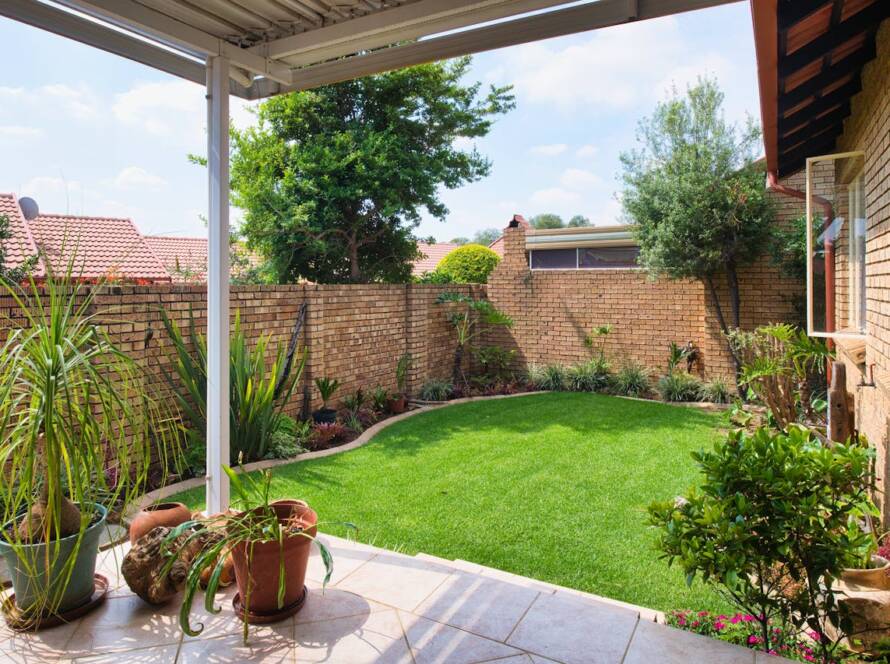
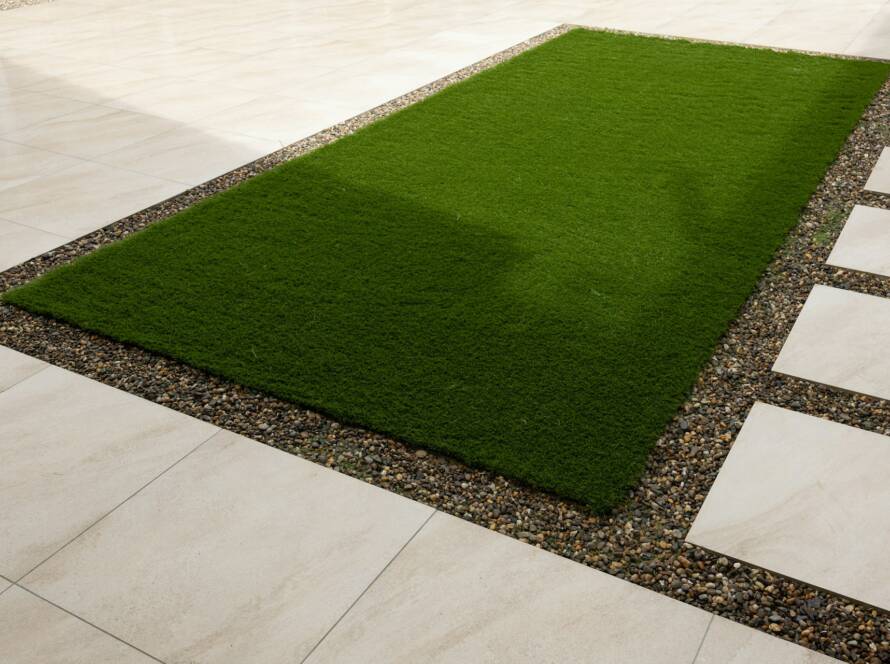
A fall installation can give you more time to enjoy a finished putting green when warmer weather returns. Many property owners assume golf greens in Michigan must wait for spring, but that is not always the case. When the ground is workable and the site is properly prepared, fall may be a practical time to move a project forward before winter settles in.
The right timing depends on your property, the weather, and the scope of the design. We evaluate soil conditions, grade, drainage, access, and the seasonal forecast before recommending an installation plan that makes sense for your space.
Gain More Putting Time Before Spring Returns
Installing a GolfGreen before winter can put the hard work behind you before the busy spring season arrives. Rather than spending spring waiting for excavation, base preparation, and turf installation, you may be ready to enjoy your green once snow and ice have cleared.
That early head start can be especially appealing for a backyard practice space, a commercial property, or a hospitality setting that wants a polished outdoor feature ready for guests. A completed synthetic green does not need to grow in, reseed, or recover from winter dormancy like natural grass.
Still, fall installation is not an automatic fit for every property. We look closely at the details that affect the project, including:
- Whether equipment can safely access the installation area
- How water currently moves across the property
- The condition of the soil and ground surface
- The amount of preparation needed before turf can be installed
For golf greens in Michigan, a thoughtful plan matters more than simply choosing a date on the calendar. If weather conditions cooperate and the site is ready, fall can provide a useful window for getting started.
Use Fall Weather to Start Your GolfGreen Project
Early to mid-fall can bring comfortable working conditions for a golf green installation. Cooler temperatures may make excavation and site preparation more manageable than they are during the heat of summer. Fall can also be a convenient time for property owners whose outdoor spaces have fewer activities planned.
Completing the base work and turf installation before severe winter weather arrives may help you avoid the spring rush. When spring schedules begin to fill, a green that was already installed in fall can be one less project waiting in line.
Weather remains the deciding factor. Heavy rain can saturate the soil, while freezing temperatures and early snow can limit the work that can be completed properly. For that reason, we do not treat every late-fall day the same. A site assessment helps us determine whether the timing, ground conditions, and project scope line up for a successful installation.
Fall is also a good time to think through the full layout. If you are considering nearby patios, paths, landscaping, or outdoor gathering areas, planning them together can help create a more connected finished space.
Build a Base That Handles Michigan Winter Weather
The surface of a putting green gets the attention, but the base underneath does much of the important work. A properly prepared sub-base supports a smooth, consistent putting area while helping manage moisture from rain, snowmelt, and changing temperatures.
Before installing turf, we assess the existing grade and drainage patterns. Water should move away from the green and nearby structures instead of collecting around the installation area. Poor drainage can lead to puddles, soil movement, and added stress during freeze-thaw cycles.
A professional installation approach allows us to prepare the site with long-term use in mind. That can include shaping the sub-base, creating contours for the green, and planning drainage around the finished space. The goal is not simply to place turf on the ground. It is to create a stable foundation that supports the look and playability you want.
Careful preparation is particularly important when planning golf greens in Michigan because winter weather can expose weak spots in an unfinished or poorly prepared site. Starting with the right base gives the finished green a better foundation for year-round conditions.
Design Golf Greens in Michigan for Everyday Play
A putting green should fit the way you plan to use it. For some families, that means a simple backyard space for putting practice, friendly competition, and time outside. For a business, lodging property, or community space, the design may focus more on guest enjoyment and a clean, finished appearance.
Small design choices can make a major difference in how the green feels and functions. During the planning process, we can help you consider features such as:
- The overall size and shape of the putting surface
- Cup placement and the amount of challenge you want
- Fringe turf, chipping areas, and gentle slopes
- Paths and access around the green
- Nearby seating, landscaping, and outdoor features
Synthetic golf turf also offers a low-maintenance alternative to natural grass. You do not need to mow, fertilize, water, or reseed the surface as part of regular lawn care. That leaves more time for practice, entertaining, or simply enjoying a polished outdoor area.
The best design is not always the biggest one. A well-planned green that fits naturally into your property can provide a more enjoyable result than a larger space that ignores traffic flow, drainage, or the rest of the yard.
Decide Whether Your Site Is Ready This Fall
Before moving ahead with a fall project, take a close look at the proposed location. The goal is to identify issues early, while there is still time to plan around them. Access for equipment, existing drainage concerns, and other outdoor work can all affect the timing of installation.
It also helps to think beyond the putting surface. Roof runoff, standing water, nearby trees, pet traffic, and regular foot traffic may influence the best location and design. If landscaping, hardscaping, utility work, or other improvements are planned, those details should be considered before the turf work begins.
As autumn progresses, installation windows can narrow quickly when temperatures fall and wet or frozen conditions become more common. We can evaluate your site and explain whether a fall installation is feasible based on current conditions, or whether planning now would better prepare the project for spring.
A timely evaluation gives you clearer information than relying on the season alone. Every yard, commercial property, and outdoor space has its own conditions, and those conditions should guide the decision.
Take the Next Step Toward a Winter-Ready Green
The best time to install a GolfGreen depends on your property, local weather conditions, site access, drainage needs, and the design you have in mind. We can assess those details and create a custom plan for a green built around how you want to use the space.
Even if fall installation is no longer practical for your site, planning ahead can still be valuable. A clear design, drainage plan, and preparation schedule can help you move into spring with fewer unanswered questions and a stronger plan for your finished putting green.
Bring Your Backyard Green Vision To Life
ForeverLawn West Michigan can help you evaluate your property, priorities, and ideal play experience before installation season begins. Learn how our golf greens in Michigan can be tailored to your space, from practice-focused layouts to family-friendly backyard designs. When you are ready to discuss your project, contact us for a personalized consultation.